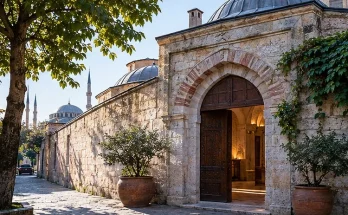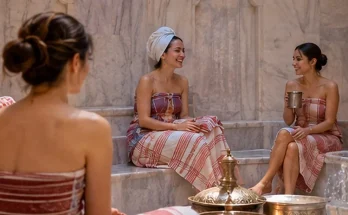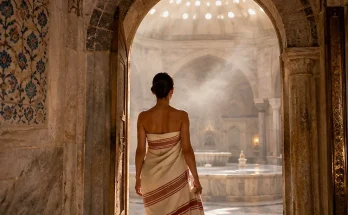
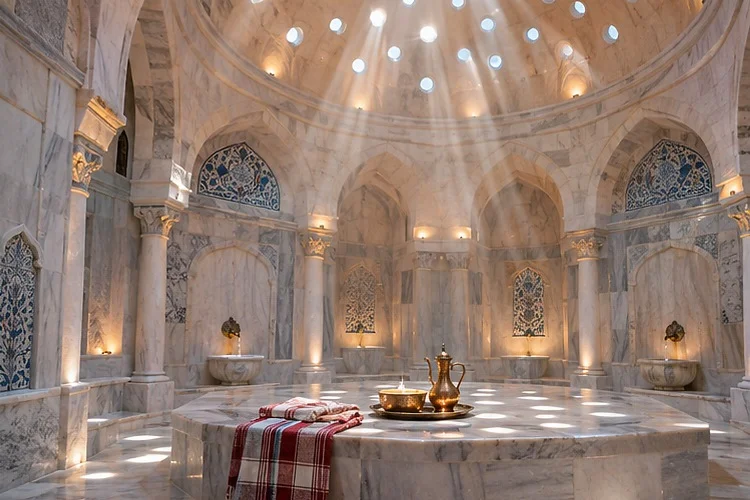
Imagine walking into a centuries-old Istanbul bathhouse, where sunlight filters through tiny openings in a magnificent dome, warm marble surrounds you, and the gentle sound of running water replaces the city’s constant noise.
It’s an experience that feels almost magical, yet it has been part of Istanbul’s everyday life for hundreds of years.
Long before luxury spas introduced personalized massages, aromatherapy, and sophisticated wellness packages, Ottoman hammams were already offering something remarkably similar: a dedicated space for cleansing, relaxation, and social connection.
Today, Ottoman hammam traditions shaping Istanbul’s modern wellness culture reveal how historic bathing rituals continue influencing contemporary self-care experiences.
From beautifully restored 16th-century bathhouses to five-star hotels overlooking the Bosphorus, traditional Turkish bathing practices have found new audiences without completely losing their cultural roots.
But there’s much more to this story than heated marble and luxurious soap bubbles.
Understanding the history, architecture, social traditions, and evolving treatments behind Istanbul’s hammams helps explain why these remarkable spaces remain relevant in an age of high-tech wellness facilities.
Let’s explore how an Ottoman bathing tradition became one of the city’s most distinctive modern wellness experiences.
1. The Historical Roots of Ottoman Hammam Culture
The Turkish hammam didn’t appear overnight. Its development reflects centuries of cultural exchange, architectural innovation, and changing approaches to public bathing.
While modern visitors often associate hammams exclusively with the Ottoman Empire, their origins stretch back to Roman and Byzantine bathing traditions.
From Roman Baths to Ottoman Social Institutions
Ancient Roman bathhouses were gathering places where people cleaned themselves, exercised, relaxed, and exchanged news.
Byzantine Constantinople inherited aspects of this bathing culture, although its facilities and customs changed over time.
After the Ottoman conquest of Constantinople in 1453, public bathhouses became increasingly important components of the city’s urban infrastructure.
Ottoman bathing traditions combined earlier architectural influences with Islamic practices emphasizing cleanliness and purification.
Unlike many modern bathrooms, traditional hammams weren’t simply functional spaces. They were carefully designed environments where physical cleansing, relaxation, and community interaction happened together.
Why Hammams Became Essential to Ottoman Life
During the Ottoman period, private bathrooms weren’t available in every household.
Public hammams therefore served an important practical purpose, providing access to bathing facilities with heated water and dedicated washing areas.
They were also connected to mosques, marketplaces, residential neighborhoods, and charitable foundations.
Some bathhouses generated income for religious or educational institutions through the Ottoman vakıf endowment system.
Cağaloğlu Hamamı, constructed in 1741, provides a fascinating example. Its revenue was intended to support the library established by Sultan Mahmud I near Hagia Sophia.
This relationship between bathing, architecture, and public institutions made hammams a meaningful part of Ottoman society.
Their influence remains visible in Istanbul’s modern wellness industry, where the idea of creating a dedicated environment for relaxation still plays a central role.
2. Traditional Turkish Hammam Rituals Still Practiced Today
One reason Ottoman bathing culture has survived is its distinctive sequence of treatments.
Rather than focusing on a single massage or skincare service, a traditional hammam creates a complete experience built around warmth, water, cleansing, and rest.
The Warm-Up: Preparing the Body
A traditional hammam visit usually begins in a changing area, where guests exchange their clothes for a peştemal, a lightweight cotton wrap.
Visitors then move toward warmer bathing spaces, gradually becoming accustomed to the temperature.
The central bathing area often contains a heated marble platform called the göbek taşı, or navel stone.
Guests can sit or lie on the marble while warmth helps them relax before washing begins.
Although hammams are often described as steam baths, the experience isn’t identical to a modern steam room. Traditional facilities generally rely on heated stone surfaces, warm water, and naturally humid bathing spaces.
Kese Exfoliation: A Signature Ottoman Practice
The kese is one of the most recognizable elements of Turkish bathing.
During this treatment, an attendant uses a textured mitt to exfoliate the skin and remove loose surface cells.
The process can feel surprisingly vigorous, especially for first-time visitors.
However, it isn’t supposed to be painful, and guests should always communicate if the pressure feels uncomfortable.
Modern spas often adapt this practice by offering different levels of exfoliation intensity or pairing it with gentle skincare treatments.
The basic principle remains familiar: careful cleansing through touch and traditional bathing techniques.
Foam Washing and the Final Rinse
After exfoliation, a hammam attendant typically covers the body in soft soap bubbles.
The foam is distributed using rhythmic movements, often accompanied by a gentle washing massage.
Warm water is then poured over the body using a tas, a traditional metal bathing bowl.
In some bathhouses, the experience concludes with a hair wash, additional massage, or quiet relaxation.
The whole ritaul encourages visitors to slow down and appreciate a sequence of simple physical sensations.
That’s precisely why traditional Turkish bathing continues to appeal to modern travelers who want a break from constant stimulation.
3. The Social and Cultural Meaning Behind Ottoman Bathhouses
Hammams were never exclusively about hygiene.
Historically, they also provided places where people could strengthen relationships, celebrate milestones, and participate in community life.
Social Spaces Beyond Everyday Responsibilities
For many Ottoman residents, visiting a bathhouse offered an opportunity to socialize outside the home.
People exchanged news, shared conversations, and spent time with friends or relatives.
Traditional arrangements generally separated bathing facilities or schedules by gender, allowing women and men to participate in their respective social environments.
For women in particular, hammams could become significant spaces for friendship and social interaction.
These gatherings helped establish bathhouses as more than practical washing facilities.
Today, some of that communal spirit survives in group bookings, private celebrations, and shared wellness outings.
Bridal Hammam Celebrations
One particularly interesting tradition is the gelin hamamı, or bridal bath.
Historically, this gathering brought together a bride and female relatives or friends before her wedding.
The celebration could involve bathing rituals, music, conversation, food, and festive activities.
It symbolized an important transition in the bride’s life while strengthening relationships between families and friends.
Modern bridal hammam packages often reinterpret these traditions through private group reservations, personalized treatments, and celebratory refreshments.
Although the presentation may feel more luxurious, the underlying idea remains familiar.
Wellness can be a shared cultural experience rather than something practiced entirely alone.
Why Community Still Matters in Modern Wellness
Contemporary wellness marketing frequently emphasizes solitude, meditation, and personal transformation.
Ottoman bathing traditions offer a useful alternative perspective by highlighting social connection.
A relaxing afternoon with trusted friends can be meaningful without requiring expensive products or complicated wellness programs.
This connection between personal care and shared experience helps explain why historic hammam traditions remain culturally significant.
4. Ottoman Hammam Architecture and Its Influence on Modern Spa Design
Few wellness environments are as visually distinctive as a traditional Ottoman bathhouse.
The architecture was designed to manage heat, water, movement, and privacy while creating an atmosphere that feels remarkably calming.
Domes, Marble, and Natural Light
Traditional Ottoman hammams typically contain several interconnected spaces with different temperatures and functions.
The changing area, known as the camekân or soyunmalık, provides room for dressing and relaxation.
Visitors then pass through intermediate spaces before reaching the warmer bathing chamber, commonly called the sıcaklık.
The use of domes is particularly memorable.
Small glass openings in the ceilings allow natural light to enter, producing beautiful patterns across marble surfaces.
These architectural features create a peaceful enviroment without relying on modern decorative technology.
Marble is another defining element because it is durable, suitable for wet conditions, and effective at transferring warmth.
Hürrem Sultan Hammam: A Masterpiece of Ottoman Design
The historic Hürrem Sultan Hammam, situated between Hagia Sophia and the Blue Mosque, demonstrates the sophistication of classical Ottoman bathing architecture.
Commissioned by Hürrem Sultan, wife of Sultan Süleyman the Magnificent, the building was designed by the celebrated architect Mimar Sinan in 1556–1557.
Its unusual double-hammam arrangement places the men’s and women’s sections along the same architectural axis.
Following extensive restoration beginning in 2008, the building returned to use as a luxury bathing destination.
The hammam illustrates how historic architecture can support contemporary hospitality while preserving important elements of the original structure.
Kılıç Ali Paşa Hamamı: Restoration Meets Contemporary Comfort
Another remarkable example is Kılıç Ali Paşa Hamamı in Tophane.
Designed by Mimar Sinan and constructed between 1578 and 1580, the bathhouse originally served sailors and other people working around Istanbul’s waterfront.
Its main dome measures approximately 14 meters in diameter and rises around 17 meters high.
Today, the restored building offers traditional bathing rituals within an architecturally impressive setting.
The experience demonstrates an important lesson for modern wellness designers: luxurious surroundings don’t always require contemporary materials or elaborate technology.
Sometimes, thoughtful restoration and traditional craftsmanship provide an equally memorable atmosphere.
5. How Historic Hammams Inspired Istanbul’s Luxury Spa Industry
As international wellness tourism developed, Istanbul’s hospitality industry found new ways to incorporate Turkish bathing customs into contemporary spa services.
Rather than abandoning traditional practices, many hotels adapted them to the expectations of modern travelers.
Combining Ottoman Rituals With Contemporary Treatments
At Mandarin Oriental Bosphorus, Turkish hammam experiences combine traditional kese exfoliation with foam washing and optional skincare treatments.
Its published treatment menu includes a 30-minute traditional exfoliation, a 45-minute hammam experience, and a 60-minute Sultan Hammam ritual.
This approach demonstrates how a historic bathing sequence can become a structured treatment that fits modern travel schedules.
Guests can select an experience according to their available time and personal preferences.
Traditional techniques remain central, but the service is presented through contemporary spa hospitality.
Raffles Istanbul and the Modern Private Hammam
Raffles Istanbul offers another example of this transformation.
Its spa spans approximately 3,000 square meters and includes three traditional Turkish hammams alongside massage suites and other wellness facilities.
The Aegean Purity ritual combines a traditional kese exfoliation with foam washing and olive oil soap.
Longer treatments add modern massage techniques, nourishing oils, and additional relaxation experiences.
This combination connects Ottoman bathing customs with contemporary luxury wellness.
The introduction of private hammam treatments also reflects changing guest expectations.
Travelers may appreciate traditional rituals while preferring greater privacy, more personalized service, or a carefully scheduled experience.
Preserving Heritage Without Freezing It in Time
The modernization of hammams raises an interesting question: how much can a tradition change before it loses its cultural identity?
Adding aromatherapy oils, facial treatments, or luxurious robes doesn’t necessarily erase the historical foundation of Turkish bathing.
However, preserving traditional skills, architectural features, and the cultural meaning of the rituals remains important.
A modern wellness experience becomes more valuable when guests understand the heritage behind its treatments.
6. Wellness Benefits, Realistic Expectations, and Modern Self-Care
It’s easy to understand why hammams attract visitors interested in relaxation.
Warm surroundings, gentle washing, and time away from everyday responsibilities can create a strong sense of comfort.
However, understanding the difference between plausible benefits and exaggerated wellness claims is essential.
Relaxation and Stress Management
Spending time in a warm, peaceful environment may support short-term relaxation.
The combination of warmth, rhythmic washing, and a calm atmosphere can help visitors feel more comfortable and less tense.
Some people also appreciate the opportunity to disconnect from their phones and daily routines.
These experiences can support general well-being, although they shouldn’t be presented as medical treatments for chronic stress or mental health conditions.
Skin Cleansing and Exfoliation
The kese technique removes loose dead skin cells from the skin’s surface.
This can temporarily leave skin feeling smoother, especially when followed by suitable moisturizing products.
Nevertheless, excessive exfoliation may cause irritation, particularly for sensitive or damaged skin.
People with active skin conditions, sunburn, recent cosmetic procedures, or other concerns should check whether traditional scrubbing is appropriate.
Good wellness care means respecting individual needs rather than assuming stronger treatments always produce better results.
Understanding Heat Exposure and Safety
Traditional hammams can become very warm, and prolonged exposure may cause dizziness, overheating, or dehydration.
Visitors should drink enough water, avoid excessive heat exposure, and leave the bathing area if they feel unwell.
People who are pregnant or have cardiovascular conditions or other relevant medical concerns should seek appropriate medical advice before participating.
Claims that hammams remove harmful toxins, cure illnesses, or dramatically improve circulation should be approached with caution.
The most reliable benefits are often much simpler: relaxation, cleansing, and the enjoyment of a meaningful cultural practice.
7. Experiencing Authentic Ottoman Hammam Culture in Modern Istanbul
For travelers planning their first Turkish bath, choosing between a historic hammam and a luxury hotel spa can feel confusing.
Both offer worthwhile experiences, but they aren’t exactly the same.
Historic Hammams Versus Luxury Hotel Spas
Traditional establishments such as Cağaloğlu Hamamı, Hürrem Sultan Hammam, and Kılıç Ali Paşa Hamamı emphasize their historical architecture and Ottoman bathing heritage.
They can be particularly appealing to visitors interested in cultural immersion.
Cağaloğlu Hamamı, built in 1741, remains especially notable as a surviving example of Ottoman public bath architecture.
Luxury hotels, meanwhile, often combine Turkish bathing rituals with modern treatment rooms, personalized skincare, and additional facilities such as pools, saunas, or fitness centers.
Neither option is automatically superior.
The right choice depends on whether you prioritize historic surroundings, contemporary comfort, privacy, or a broader wellness program.
What First-Time Visitors Should Know
Before booking, check whether the hammam has separate men’s and women’s areas, different bathing schedules, or private treatment options.
Ask about the complete package, including exfoliation, foam washing, massage, towels, and relaxation time.
Most established tourist-oriented hammams explain their procedures clearly, but it’s still helpful to communicate personal preferences.
If you are uncomfortable with vigorous scrubbing, mention this before the treatment begins.
Allow enough time afterward to relax rather than immediately rushing into another activity.
Making the Experience More Meaningful
One of the best ways to appreciate a hammam is to approach it as a cultural experience rather than simply a luxurious bath.
Pay attention to the architecture, the use of water, the traditional tools, and the techniques practiced by experienced attendants.
Notice how the experience encourages patience and slower movement.
You may also find that the moment of tranqulity after the treatment feels just as rewarding as the bathing ritual itself.
This is where Ottoman traditions connect most naturally with modern ideas about mindful relaxation.
Instead of promising instant transformation, the hammam offers something refreshingly straightforward: time to rest, cleanse, and reconnect with your surroundings.
Ottoman hammam traditions remain deeply connected to Istanbul’s modern wellness culture, shaping everything from spa architecture and cleansing rituals to luxury hospitality and personalized relaxation experiences.
What began as an essential part of public bathing and social life has evolved into a distinctive cultural attraction that continues to influence contemporary wellness practices.
Historic establishments preserve traditional craftsmanship and bathing techniques, while modern hotels introduce new levels of comfort and personalization.
The appeal lies in this balance between heritage and innovation.
Whether you’re fascinated by Ottoman architecture or simply searching for a memorable way to unwind, Istanbul’s hammams offer something beyond an ordinary spa appointment.
Planning a wellness experience in Istanbul? Explore a historic Turkish bath, compare its rituals with modern spa offerings, and discover how centuries-old traditions continue enriching the city’s approach to relaxation.