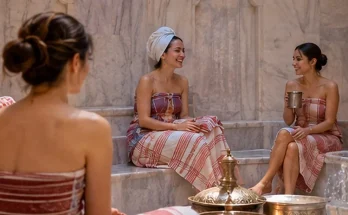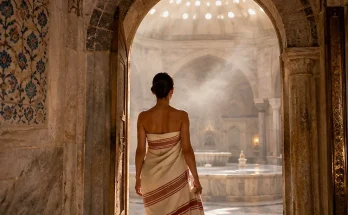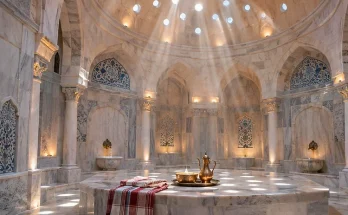
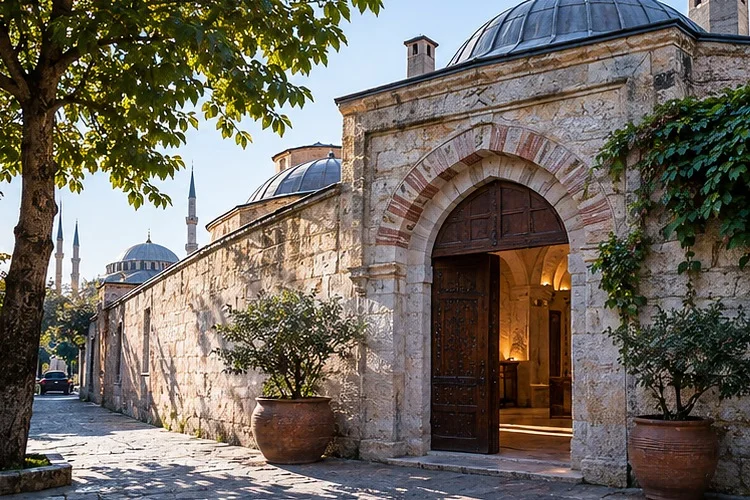
Step inside a traditional Turkish hammam in Istanbul, and you’ll immediately notice something special.
Beneath magnificent Ottoman domes, warm marble surfaces, flowing water, and centuries-old bathing traditions create an atmosphere that feels completely different from an ordinary modern spa.
But these beautiful bathhouses represent much more than an opportunity to relax after sightseeing. They’re living reminders of Istanbul’s social history, architectural creativity, and cultural identity.
Preserving Ottoman bathing heritage through Istanbul hammam tourism has become an important part of connecting modern travelers with the city’s fascinating past.
As historic bathhouses undergo careful restoration and welcome international visitors, tourism can help support architectural conservation, traditional craftsmanship, and the continuation of authentic bathing rituals.
However, this growing interest also raises important questions. How can Istanbul protect its centuries-old hammams without turning them into overly commercial tourist attractions? And how can travelers support genuine cultural preservation while enjoying these memorable wellness experiences?
From beautifully restored bathhouses to traditional cleansing ceremonies passed between generations, let’s explore how cultural tourism can help keep Istanbul’s Ottoman bathing heritage alive.
1. Understanding the Historical Importance of Ottoman Hammams
Traditional Turkish baths have occupied an important place in Istanbul’s cultural landscape for centuries. Their development reflects influences from Roman and Byzantine bathing practices, combined with the social customs, architecture, and religious traditions of the Ottoman Empire.
During the Ottoman period, public bathhouses became familiar features of urban neighborhoods. They provided essential bathing facilities while also serving as spaces for conversation, celebration, and community interaction.
More Than Places for Personal Hygiene
Before private bathrooms became widely available, visiting a neighborhood hammam was a practical necessity for many residents.
People gathered to wash, socialize, exchange local news, and spend time away from everyday responsibilities. These spaces often became important meeting points within the surrounding community.
Special celebrations were another essential part of bathing culture.
Traditional bridal hammam gatherings, known as gelin hamamı, brought women together before weddings. Friends and relatives could celebrate with music, refreshments, conversation, and ceremonial bathing.
These customs demonstrate why historic hammams shouldn’t be understood simply as early versions of modern spas.
They were deeply connected to social relationships, neighborhood identity, and significant moments in people’s lives.
Hammams and Ottoman Urban Development
Many public bathhouses were commissioned by rulers, royal family members, wealthy merchants, and government officials.
They frequently operated through charitable endowments known as vakıf. Income from these facilities could support mosques, educational institutions, and other community services.
Çemberlitaş Hamamı provides an excellent historical example.
Commissioned by Nurbanu Sultan and completed in 1584, it was established to generate revenue for the Valide-i Atik charitable complex in Üsküdar.
Understanding this historical relationship helps visitors appreciate how bathing establishments contributed to the wider social and economic structure of Ottoman Istanbul.
2. Restoring Historic Hammams Without Losing Their Identity
Architectural restoration is one of the most visible ways tourism can contribute to heritage preservation.
Many centuries-old bathhouses have experienced earthquakes, fires, changing ownership, structural deterioration, and modifications that altered their original appearance.
Carefully planned conservation projects can protect these buildings while allowing them to serve contemporary visitors.
The Remarkable Restoration of Zeyrek Çinili Hamam
Located in Istanbul’s historic Zeyrek neighborhood, Zeyrek Çinili Hamam offers an extraordinary example of architectural conservation.
The bathhouse was commissioned by Ottoman admiral Barbaros Hayreddin Pasha during the 1530s and designed by the celebrated architect Mimar Sinan.
Its original interiors featured elaborate blue-and-white İznik tiles, making the building an important example of Ottoman decorative craftsmanship.
Beginning in 2010, a restoration project lasting 13 years combined architectural conservation with archaeological research.
The work uncovered Byzantine cisterns, fragments of historic tiles, architectural decorations, and evidence of earlier construction phases.
Rather than treating these discoveries as obstacles, the project incorporated them into a broader interpretation of the building’s history.
The complex reopened in 2023, while traditional bathing services resumed in May 2024.
Today, its museum and exhibitions help visitors understand the structure’s historical layers alongside its continuing function as a hammam.
Why Careful Restoration Matters
Conservation involves much more than polishing marble surfaces or replacing damaged fixtures.
Specialists must consider structural stability, historic materials, ventilation, heating systems, decorative details, and the effects of modern building services.
An inappropriate renovation can permanently damage architectural features that have survived for centuries.
Successful restoration therefore requires a balance between protecting original craftsmanship and meeting contemporary expectations for hygiene, safety, and accessibility.
For cultural travelers, that balance creates an opportunity to experience history within a functioning building rather than viewing it only from behind museum barriers.
3. Keeping Traditional Bathing Rituals Alive Through Tourism
A restored Ottoman bathhouse would lose much of its cultural meaning if its original activities disappeared completely.
That’s why preserving traditional bathing techniques is just as important as maintaining architecture.
Tourism can help sustain these practices by creating demand for authentic hammam experiences delivered by trained attendants.
The Traditional Hammam Experience
The classic Turkish bathing ritual involves a sequence of warming, washing, exfoliation, and relaxation.
Visitors usually begin by spending time in a warm marble environment, allowing their bodies to adjust to the temperature.
An attendant may then perform kese, a traditional exfoliation treatment using a textured mitt.
This process removes dead surface skin cells and prepares the body for washing.
Next comes the familiar soap-foam ritual, during which an attendant creates generous amounts of lather and washes the guest using traditional techniques.
The experience generally finishes with rinsing and time spent resting in a cooler area.
Although individual bathhouses offer different treatment packages, these elements remain closely associated with Turkish bathing culture.
Passing Skills Between Generations
Traditional attendants play an important role in maintaining the cultural identity of a hammam.
Male attendants are commonly called tellak, while female attendants may be called natır. Their work involves practical knowledge of washing techniques, guest comfort, bathing etiquette, and the rhythm of the traditional ceremony.
These skills develop through training, observation, and experience.
When heritage tourism supports establishments that employ knowledgeable attendants, it can help create opportunities for younger workers to learn traditional methods.
However, preservation requires more than teaching a standardized treatment routine.
The history, social meaning, and cultural context of the rituals also deserve attention.
A meaningful visitor experience should communicate why these practices developed and how they continue to connect people with Istanbul’s past.
4. Historic Istanbul Hammams as Examples of Living Heritage
Several bathhouses demonstrate how Ottoman architecture can remain relevant within contemporary tourism.
Their experiences show that heritage preservation doesn’t always mean transforming a historic structure into a conventional museum.
Sometimes, continuing its original purpose is an essential part of keeping the building culturally meaningful.
Kılıç Ali Paşa Hamamı: Award-Winning Conservation
Kılıç Ali Paşa Hamamı stands in Tophane, a historic waterfront district on Istanbul’s European side.
Commissioned by Ottoman admiral Kılıç Ali Pasha and designed by Mimar Sinan, the bathhouse dates to the late 16th century.
Originally, it served members of the Ottoman naval forces.
The building underwent an extensive restoration before reopening in 2012.
Conservation specialists worked to recover architectural features that had been obscured by later modifications, repair damaged structural elements, and introduce modern facilities without overwhelming the historic design.
In 2017, the project received a Europa Nostra Award for its contribution to architectural conservation.
The restoration illustrates how traditional construction knowledge and modern conservation techniques can work together.
Ayasofya Hürrem Sultan Hamamı: Preserving Royal Heritage
Another significant example is Ayasofya Hürrem Sultan Hamamı, situated between Hagia Sophia and the Blue Mosque.
Designed by Mimar Sinan and constructed in 1556–1557, the bathhouse was commissioned by Hürrem Sultan, wife of Sultan Süleyman the Magnificent.
Its historic importance comes from its architecture, location, and association with Ottoman royal patronage.
After periods of closure and alternative use, the building eventually returned to its original bathing function following restoration.
Today, traditional treatments operate within the historic interiors.
This combination of architectural preservation and active cultural use helps visitors encounter Ottoman bathing heritage as an experience rather than simply an exhibition.
5. Supporting Local Craftsmen and Neighborhood Economies
Historic hammam tourism has the potential to support economic activity beyond the bathhouses themselves.
A functioning heritage attraction requires maintenance, specialist knowledge, hospitality workers, cleaning services, and suppliers.
Visitors may also spend time in nearby cafés, independent shops, and other cultural establishments.
Protecting Traditional Craftsmanship
Restoring Ottoman bathhouses often requires specialist skills that aren’t commonly found in conventional building projects.
Stoneworkers may need to repair marble surfaces using appropriate methods. Other specialists may work on historic plaster, ceramic decoration, timber elements, metal fixtures, or traditional architectural details.
Maintaining these buildings can create opportunities for skilled craftspeople.
This relationship matters because architectural heritage depends on practical knowledge as well as physical structures.
If traditional skills disappear, future conservators may struggle to repair historic buildings appropriately.
Heritage projects can therefore contribute to preserving craftmenship alongside architecture.
Encouraging Neighborhood-Based Tourism
Istanbul’s historic districts contain far more than famous landmarks.
Neighborhoods such as Zeyrek, Çemberlitaş, and the wider Fatih area feature historic streets, local businesses, small cultural institutions, and everyday community life.
Visitors who explore these areas respectfully can help distribute tourism spending beyond the city’s most heavily visited attractions.
For example, a traveler might combine a scheduled hammam treatment with lunch at a neighborhood restaurant or a visit to another nearby heritage site.
However, tourism revenue doesn’t automatically benefit local residents.
For the strongest community impact, tourism development should encourage local employment, responsible purchasing, and business practices that respect the surrounding neigborhood.
6. Balancing Cultural Authenticity With Modern Tourism
The growing popularity of traditional Turkish baths creates exciting opportunities, but it also introduces challenges.
International visitors often expect convenient booking systems, private treatments, luxury products, and polished hospitality services.
These expectations can sometimes conflict with the communal character of older bathhouses.
Avoiding Overcommercialization
When heritage attractions become highly commercialized, cultural activities risk being simplified into performances designed mainly for tourists.
A traditional bathing ceremony might be marketed exclusively as a luxury spa package, with little explanation of its historical meaning.
Over time, visitors may begin to associate Ottoman bathing heritage only with expensive treatments rather than its broader social history.
This doesn’t mean luxury experiences are automatically inauthentic.
The important question is whether the establishment preserves meaningful traditional practices and communicates their cultural significance accurately.
Historic architecture, knowledgeable attendants, authentic bathing techniques, and responsible interpretation can all contribute to a more valuable experience.
Protecting the Community Connection
Hammams historically served local residents, not just international travelers.
If tourism-focused businesses become financially inaccessible to surrounding communities, some of the traditional social character may weaken.
Heritage managers can address this challenge through thoughtful pricing, local engagement, educational programming, or arrangements that maintain community access where feasible.
The exact approach will depend on the establishment’s ownership, financial circumstances, and conservation requirements.
The broader principle is straightforward: successful heritage tourism should protect cultural identity rather than replacing it with a purely commercial experience.
7. Sustainable Tourism and the Environmental Future of Historic Hammams
Sustainability is another important consideration in preserving Istanbul’s bathhouse traditions.
Historic hammams depend heavily on water and heat, which can create substantial environmental demands.
Maintaining authentic bathing experiences while managing modern energy consumption requires careful planning.
Improving Efficiency Without Damaging Heritage
Older bathhouses were designed using the technologies and materials available at the time.
Modern conservation projects may introduce more efficient heating equipment, improved pipe insulation, carefully controlled ventilation, and water-management systems.
However, these upgrades must be compatible with historic architecture.
Installing large mechanical systems without careful planning could damage original masonry, decorative surfaces, or spatial arrangements.
Conservation specialists therefore need to evaluate both environmental performance and architectural integrity.
Visitor Management and Long-Term Maintenance
Tourism also increases the number of people using fragile historic spaces.
Large visitor volumes can place additional demands on floors, changing areas, plumbing systems, and building maintenance.
Appointment-based entry and controlled guest numbers can help reduce overcrowding while improving comfort.
Income from ticket sales and treatments may support preservation, but ongoing maintenance still requires clear financial planning.
Preventive care is generally preferable to allowing damage to accumulate until an expensive restoraton becomes unavoidable.
For travelers interested in responsible tourism, choosing establishments that demonstrate thoughtful building care is a practical way to support long-term preservation.
8. Heritage Education: Turning Hammam Visits Into Cultural Experiences
One of the most valuable opportunities in Istanbul hammam tourism is education.
A visitor might enjoy a traditional scrub and foam massage without understanding the history of the building or the social role of Ottoman bathing culture.
Adding accessible historical information can make the experience much more meaningful.
Museums, Exhibitions, and Cultural Storytelling
Zeyrek Çinili Hamam demonstrates how cultural interpretation can complement an operating bathhouse.
Its restoration uncovered nearly 3,000 tile fragments, along with other archaeological and architectural discoveries.
The museum presents objects and information relating to the building’s history and Ottoman bathing traditions.
Contemporary exhibitions associated with its Byzantine cisterns also encourage visitors to explore the relationship between historical spaces and modern artistic expression.
These activities create opportunities for people who may be interested in the architecture and archaeology even if they don’t book a bathing treatment.
Making Heritage Accessible to Different Audiences
Educational experiences can take many forms.
Short historical explanations, informative displays, digital interpretation, guided visits, and carefully designed exhibitions can help visitors understand the meaning of what they’re seeing.
Materials should ideally be available in multiple languages without oversimplifying the historical context.
Architecture students may be interested in heating systems and dome construction, while cultural travelers might prefer stories about social traditions and everyday life.
Presenting several perspectives allows the hammam to reach a wider audience.
It also reinforces an important message: traditional Turkish baths are architectural, social, and cultural heritage sites, not merely wellness businesses.
9. How Travelers Can Help Preserve Ottoman Bathing Heritage
Visitors have a meaningful role in protecting Istanbul’s historic hammams.
Every booking represents a choice about which businesses and cultural experiences receive financial support.
Travelers can make those choices more responsibly by researching establishments and respecting local traditions.
Choose Historic Bathhouses Thoughtfully
Before making a reservation, look into the history of the establishment.
Does it occupy a genuinely historic building? Has it undergone documented conservation work? Does it explain traditional bathing customs and architectural features?
These questions can help distinguish heritage-focused experiences from modern spas using Ottoman-inspired decoration.
There’s nothing wrong with enjoying a contemporary Turkish bath, but the two experiences offer different cultural connections.
Also consider the establishment’s approach to guest numbers, traditional treatments, and building maintenance.
Respect Traditional Bathing Etiquette
Historic hammams are shared cultural environments.
Follow the venue’s instructions regarding clothing, gender arrangements, photography, and treatment procedures.
Many traditional bathhouses operate separate bathing sections or different visiting hours for men and women.
Avoid photographing other guests without permission, and don’t assume every architectural space is open for unrestricted exploration.
Communicate respectfully with attendants and ask questions when you’re unfamiliar with a custom.
A little curiosity and cultural awareness can make the experiance more enjoyable for everyone.
Explore Beyond the Bathhouse
Consider connecting your hammam visit with other local cultural experiences.
Walking through historic streets, visiting nearby museums, appreciating Ottoman architecture, and supporting independent businesses can turn a single appointment into a more meaningful day.
Traveling outside the busiest periods may also create a calmer atmosphere.
The goal isn’t simply to visit as many attractions as possible.
It’s to appreciate the relationship between the historic bathhouse, its neighborhood, and the community that has shaped its identity over time.
10. The Future of Ottoman Hammam Preservation in Istanbul
Looking ahead, the future of Istanbul’s bathing heritage will depend on cooperation between conservation specialists, property owners, tourism businesses, public institutions, and local communities.
Each group has a different responsibility, but all contribute to keeping historic bathhouses relevant.
Combining Conservation With Contemporary Needs
Well-managed hammams can integrate modern hygiene standards, safe heating systems, accessible information, and convenient reservations while retaining their architectural identity.
The challenge is introducing improvements without removing features that make the buildings historically significant.
Digital documentation, archaeological research, and detailed conservation records can help future specialists understand earlier restoration decisions.
Training younger craftspeople and bathing attendants is equally important.
Without skilled people to maintain buildings and perform traditional rituals, even the most beautiful restored hammam could gradually lose its cultural vitality.
Keeping the Heritage Alive for Future Generations
Istanbul’s wider historic urban landscape faces pressures from development, visitor activity, environmental conditions, and maintenance requirements.
UNESCO recognizes the Historic Areas of Istanbul as a World Heritage Site, highlighting the importance of protecting the city’s exceptional architectural and cultural character.
Within this larger heritage setting, traditional bathhouses contribute another layer of urban history.
Their future shouldn’t depend entirely on their popularity with tourists.
Long-term preservation is strongest when hammams remain culturally meaningful, economically sustainable, and connected to the communities around them.
With thoughtful planning, tourism can become a valuable partner in this process.
Preserving Ottoman bathing heritage is about much more than maintaining beautiful marble buildings. It means protecting traditional rituals, supporting skilled craftspeople, celebrating local history, and ensuring historic hammams remain meaningful cultural spaces.
Istanbul’s restored bathhouses demonstrate how responsible tourism can contribute to this mission. Projects such as Zeyrek Çinili Hamam and Kılıç Ali Paşa Hamamı show how architectural conservation, cultural education, and traditional bathing experiences can work together.
However, long-term success requires balancing visitor demand with authenticity, sustainability, and community interests.
Planning a cultural trip to Istanbul? Choose a heritage-focused hammam, learn about its history, respect traditional bathing customs, and support local businesses. Your visit can become more than a relaxing experience – it can also contribute to keeping an extraordinary cultural tradition alive.