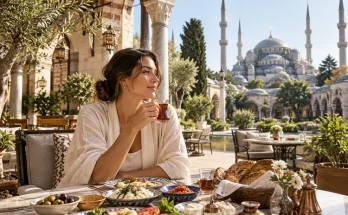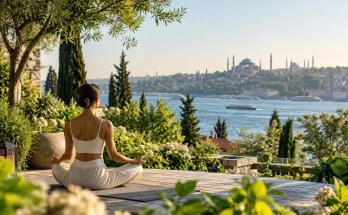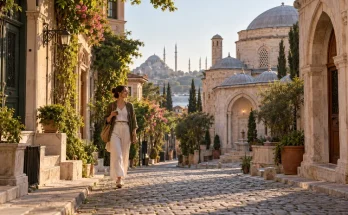
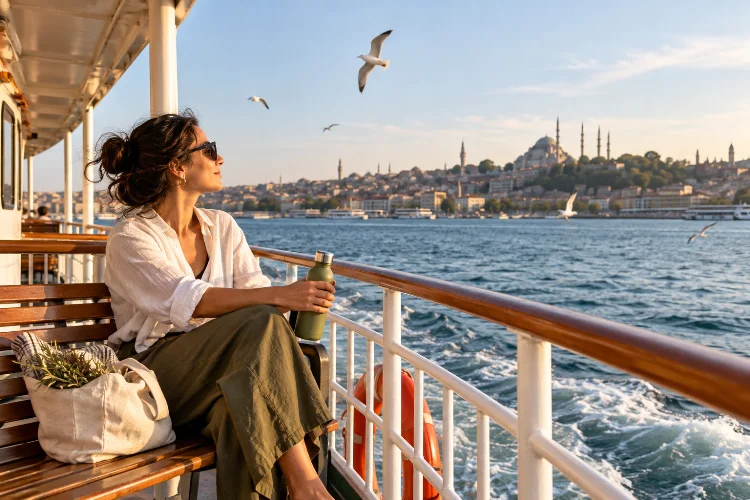
Imagine waking up in Istanbul without a packed sightseeing schedule. Instead of rushing through crowded attractions, you enjoy a leisurely Turkish breakfast, take a scenic ferry across the Bosphorus, and spend the afternoon unwinding in a centuries-old hammam.
Sounds like a pretty refreshing way to travel, right?
Istanbul is famous for its vibrant streets, extraordinary architecture, and fascinating cultural history. However, beyond its busy tourist hotspots lies another side of the city, where traditional wellness rituals, neighborhood hospitality, and slower daily routines offer opportunities for meaningful relaxation.
This is where sustainable mindful tourism practices for Istanbul wellness escapes become particularly relevant.
The idea is simple: enjoy the city’s remarkable experiences while making thoughtful decisions that respect local communities, protect cultural heritage, and reduce unnecessary environmental impacts.
You don’t need to sacrifice comfort or luxury to travel responsibly. Sometimes, small choices make a meaningful difference.
From selecting environmentally conscious accommodation to supporting traditional bathhouses and exploring neighborhoods on foot, Istanbul provides countless ways to combine personal well-being with responsible tourism.
Let’s explore how to design a relaxing, culturally enriching, and more sustainable Istanbul getaway.
1. Understanding Sustainable and Mindful Tourism in Istanbul
Sustainable tourism and mindful travel share several important principles, but they’re not exactly the same.
Sustainable tourism considers the environmental, economic, and social consequences of travel. Mindful tourism focuses more on awareness, meaningful experiences, and thoughtful engagement with a destination.
Together, these approaches create a travel style that benefits both visitors and the places they explore.
Moving Beyond Conventional Wellness Tourism
Traditional wellness holidays often revolve around luxury spas, expensive treatments, and carefully scheduled activities.
Although these experiences can be enjoyable, they’re not automatically sustainable.
A hotel might advertise natural skincare products while consuming excessive water, generating substantial waste, or providing limited benefits to its surrounding community.
Similarly, an exclusive wellness package may feel relaxing while involving unnecessary transportation and resource-intensive services.
Mindful travel encourages visitors to consider the bigger picture.
Instead of asking only whether an experience feels luxurious, travelers can also consider how it affects workers, residents, cultural traditions, and the local enviroment.
Why Istanbul Is an Interesting Destination
Istanbul offers a fascinating combination of ancient cultural practices and contemporary urban life.
Traditional hammams preserve bathing customs that developed over centuries, while public ferries provide everyday connections between European and Asian neighborhoods.
Local markets, independent cafés, historic streets, and community gardens also create opportunities for experiences that don’t require elaborate tourist infrastructure.
The challenge is choosing thoughtfully.
A sustainable wellness escape isn’t about avoiding every environmental impact. It’s about recognizing those impacts and making practical efforts to reduce them.
2. Choosing Sustainable Accommodation Without Sacrificing Comfort
Where you stay can influence your travel experience considerably.
Hotels and guesthouses consume resources through heating, cooling, laundry, water use, food preparation, and general operations.
Choosing accommodation carefully is therefore one of the most useful steps toward a more responsible trip.
Look Beyond Eco-Friendly Marketing
Many hotels promote sustainability through phrases like green luxury, eco-conscious hospitality, or environmentally friendly accommodation.
These descriptions sound appealing, but they don’t always explain what the property actually does.
Look for specific information about energy management, water conservation, waste reduction, employee practices, and local purchasing.
Türkiye introduced a national sustainable tourism program in 2022 through cooperation with the Global Sustainable Tourism Council (GSTC).
The program addresses environmental management, cultural preservation, and social and economic benefits for communities.
Travelers can consult the Türkiye Tourism Promotion and Development Agency’s accommodation registry to check reported sustainability verification or certification status.
However, certification isn’t a guarantee that a property has no negative impacts. Check the specific status, validity, and practices rather than relying only on a badge.
Prioritize Practical Sustainability Measures
Consider accommodation that offers optional housekeeping, refillable toiletries, efficient temperature controls, and clearly explained waste-management practices.
Ask whether the hotel monitors water consumption or uses measures to reduce unnecessary laundry.
Properties that employ local residents and purchase from nearby suppliers may also help distribute tourism spending within the destination.
Location matters, too.
A comfortable hotel near public transportation can reduce dependence on taxis and private transfers.
For wellness-focused travelers, convenient access to neighborhood cafés, parks, and cultural experiences may be more valuable than an isolated luxury property.
Stay Longer and Move Less
Frequent hotel changes can create unnecessary transportation, packing, and logistical demands.
Staying several nights in one area allows travelers to establish a comfortable routine.
You might discover a favorite bakery, become familiar with local streets, and explore nearby attractions without rushing.
This slower approach often improves the experience while reducing avoidable movement around the city.
3. Exploring Istanbul Through Lower-Impact Transportation
Transportation is another important consideration when planning a sustainable city escape.
Istanbul has an extensive public transportation network, including metro lines, trams, buses, funiculars, and ferries.
Using these services can reduce reliance on individual car journeys, particularly when traveling between well-connected areas.
Discovering the City Through Public Ferries
A Bosphorus ferry journey can become one of the most memorable parts of an Istanbul holiday.
Şehir Hatları operates routes connecting numerous waterfront districts, including services involving Kadıköy, Karaköy, Üsküdar, and Eminönü.
Instead of booking a private boat for a simple crossing, travelers can use existing public services while enjoying the waterfront scenery.
Public ferries aren’t emission-free, but sharing scheduled transportation can be a practical alternative to arranging dedicated journeys.
Check official timetables because routes and departure schedules can change.
Combining Walking With Public Transit
Istanbul’s historic districts are best experienced through a combination of walking and public transportation.
Trams provide convenient access to central attractions, while metro services connect many neighborhoods across the metropolitan area.
The Metro Istanbul website publishes network maps that help visitors plan journeys.
Walking between nearby attractions also creates opportunities to discover small shops, traditional architecture, and everyday community life.
However, Istanbul includes steep streets, uneven pavements, and busy intersections.
Choose comfortable footwear and adapt walking distances to your mobility needs.
Sustainable travel should remain accessible and realistic rather than becoming physically exhausting.
4. Supporting Traditional Hammams and Cultural Heritage
No wellness-focused visit to Istanbul would feel complete without considering the city’s historic Turkish bath culture.
Hammams have served important roles in personal hygiene, community interaction, and Ottoman urban life.
Today, many surviving bathhouses combine traditional cleansing rituals with contemporary hospitality.
Why Historic Hammams Matter
One notable example is Kılıç Ali Paşa Hamamı in Tophane.
Designed by the celebrated Ottoman architect Mimar Sinan, the bathhouse was constructed during the late 16th century to serve people associated with the waterfront and naval community.
Following extensive restoration, it reopened in 2012.
Its preservation received recognition from Europa Nostra in 2017, highlighting the importance of protecting architectural heritage while adapting historic buildings for continued use.
Experiencing a functioning historic hammam can help sustain interest in traditional practices and conservation.
However, visitors should distinguish between supporting heritage and assuming that every historic business automatically operates sustainably.
Evaluating Resource Use in Spa Treatments
Hammams require water, energy for heating, cleaning materials, and regular maintenance.
These resource demands make operational responsibility particularly important.
Before booking, consider asking whether the establishment uses efficient water systems, manages laundry carefully, or has policies for reducing disposable products.
Choose treatment packages according to your needs rather than automatically booking every available service.
A traditional exfoliation and foam-washing ritual may provide a memorable cultural experience without additional luxury treatments.
Respecting Hammam Etiquette
Responsible cultural tourism also means respecting local customs and staff instructions.
Confirm bathing arrangements, clothing requirements, and photography rules before arriving.
Some historic bathhouses operate separate schedules for men and women.
Communicate any sensitivities regarding heat, exfoliation, or treatment pressure.
The best experience should preserve your comfort while respecting the cultural setting and people providing the service.
5. Supporting Local Food Businesses and Reducing Waste
Food is one of the easiest ways to connect with Istanbul’s everyday culture.
Traditional bakeries, family-operated restaurants, local markets, and neighborhood cafés offer experiences that feel more personal than standardized tourist dining.
They can also create opportunities to support small businesses.
Exploring Kadıköy’s Food Market Culture
Kadıköy Çarşı, on Istanbul’s Asian side, is an excellent example of a lively local shopping district.
The area contains food sellers offering produce, olives, cheese, spices, baked goods, and other ingredients used in Turkish cooking.
Rather than rushing through the market collecting photographs, spend time observing its everyday atmosphere.
Purchase something you’ll genuinely enjoy, ask polite questions when appropriate, and respect vendors who are working.
Buying from local businesses can help keep visitor spending within the community, although the benefits depend on each business’s employment and sourcing practices.
Choose Seasonal and Thoughtful Meals
Seasonal ingredients can create opportunities to explore Turkish cuisine beyond predictable tourist menus.
Consider ordering vegetable-based meze, locally prepared dishes, and traditional breakfast items.
However, seasonal or locally sourced food isn’t automatically lower-impact in every circumstance.
Production methods, transportation, storage, and food waste also influence environmental outcomes.
The most practical approach is choosing meals thoughtfully and avoiding excessive ordering.
Make Food Waste Reduction Part of Your Routine
Large breakfast spreads and shared dining plates are common features of Turkish hospitality.
They’re enjoyable, but ordering more food than you can finish creates unnecessary waste.
Start with a reasonable selection and request additional dishes if needed.
Carry a reusable water bottle when practical, although drinking-water suitability and refill availability should be confirmed locally.
Small, consistent decisions can be easier to maintain than complicated sustainability rules.
6. Respecting Neighborhoods, Green Spaces, and Local Communities
Sustainable tourism isn’t limited to protecting natural environments.
It also involves maintaining the social and cultural character of the places people call home.
This is particularly important in Istanbul, where popular residential neighborhoods can attract substantial visitor attention.
Discovering Kuzguncuk Responsibly
Kuzguncuk is known for its historic houses, multicultural heritage, independent shops, and attractive streets.
Its village-like atmosphere makes it appealing for slower neighborhood exploration.
Kuzguncuk Bostanı, a community garden and public green space, offers an interesting example of urban agriculture within a dense city.
Visitors can appreciate the cultivated plots, walking paths, and neighborhood setting.
However, the garden isn’t merely a tourist attraction.
Stay on designated paths, avoid disturbing planted areas, and respect community activities.
The same principle applies when photographing residential buildings.
Beautiful houses are still people’s homes, so avoid blocking entrances or photographing residents without consent.
Enjoying Gülhane Park Mindfully
Gülhane Park provides another appealing setting for a slower afternoon.
Located near Topkapı Palace, the park offers shaded walking routes and a welcome contrast to Istanbul’s busy historic attractions.
Its green spaces can provide opportunities for gentle movement and quiet reflection.
Arriving outside peak periods may help visitors enjoy the surroundings more comfortably.
Avoid littering, respect landscaped areas, and follow posted rules.
Green spaces are shared resources, and resposible tourism means leaving them pleasant for everyone.
Avoid Treating Neighborhoods as Attractions Only
Travelers sometimes visit residential districts solely to recreate popular social media photographs.
Unfortunately, this can contribute to congestion, noise, and disruptions to everyday routines.
A better approach is spending time respectfully and supporting businesses without assuming that every street is designed for tourists.
Mindful visitors recognize that local communities should benefit from tourism rather than constantly accommodate its inconveniences.
7. Practicing Wellness Without Excessive Consumption
One of the most overlooked principles of sustainable wellness tourism is that relaxation doesn’t require constant spending.
Luxury treatments can be enjoyable, but meaningful rest can also come from simple activities that use relatively few resources.
Replace Packed Schedules With Intentional Experiences
A wellness holiday doesn’t need five different treatments, multiple sightseeing tours, and expensive dining reservations every day.
Consider planning one main activity daily and leaving space for unstructured time.
This might mean enjoying a traditional hammam in the afternoon or spending a morning walking through a park.
Leave enough time for meals, comfortable transfers, and rest.
The objective is to enjoy the journey rather than optimize every available hour.
Practice Digital Mindfulness
Smartphones make travel easier, but constant notifications can interrupt relaxation.
Try setting aside periods without social media, especially during meals or quiet outdoor activities.
You might spend twenty minutes watching ferries cross the Bosphorus or enjoy Turkish tea without checking your phone.
These simple moments encourage awareness of your surroundings.
Mindful travel doesn’t require formal meditation or specialized equipment.
Sometimes, genuine tranqulity comes from being fully present.
Keep Wellness Claims Realistic
Be cautious when treatments promise dramatic detoxification, rapid healing, or guaranteed medical benefits.
A traditional bath, massage, or gentle walk may feel relaxing, but these activities don’t replace appropriate healthcare.
If you have relevant medical conditions, check whether heat exposure or specific treatments are suitable.
A thoughtful wellness escape should prioritize safety, comfort, and realistic expectations.
8. Designing a Three-Day Sustainable Wellness Escape
Planning a responsible Istanbul itinerary doesn’t mean eliminating interesting experiences.
Instead, organize activities by location, use public transportation where practical, and allow enough time to appreciate each destination.
Here’s one example of a balanced three-day journey.
Day One: Historic Istanbul and Green Space
Begin with a relaxed breakfast near your accommodation.
Spend the morning exploring a selected historic attraction rather than attempting to visit several major landmarks.
Afterward, enjoy a walk through Gülhane Park.
Bring only what you need, avoid single-use packaging where practical, and allow time to rest.
Choose a nearby restaurant for dinner instead of arranging a long transfer across the city.
This simple itinerary combines cultural discovery, gentle exercise, and relaxation without unnecessary rushing.
Day Two: Traditional Hammam and Cultural Appreciation
Dedicate the second day to Istanbul’s traditional wellness heritage.
Travel by tram or another suitable public transportation service toward Tophane.
Enjoy a prebooked treatment at Kılıç Ali Paşa Hamamı, following the establishment’s booking arrangements and visitor guidelines.
Afterward, spend time relaxing instead of scheduling another demanding activity.
Explore the surrounding streets at a comfortable pace and enjoy a meal at a locally operated establishment.
The goal is to appreciate the historic bathing experience rather than simply checking it off a list.
Day Three: Asian-Side Markets and Neighborhood Life
Take a scheduled public ferry to Kadıköy.
Explore Kadıköy Çarşı, try a traditional snack, and spend time browsing the market streets.
For the afternoon, consider continuing to Kuzguncuk and visiting its community garden.
These locations are in different parts of the Asian side, so allow enough time for transfers or skip the second stop if you prefer a quieter schedule.
Finish the evening with an enjoyable dinner or a relaxed waterfront moment.
This itinerary demonstrates that sustainable travel doesn’t have to feel restrictive.
It’s simply a more deliberate way to enjoy the city’s cultural and natural attractions.
Measuring the Value of Your Choices
At the end of the trip, reflect on your decisions.
Did you use public transportation when convenient? Did you support locally operated businesses and avoid unnecessary purchases?
Consider whether your accommodation provided credible information about resource management and community benefits.
You don’t need to calculate a perfect sustainability score.
Instead, identify a few improvements you could make on your next holiday.
Meaningful progress often comes from consistent habits rather than unrealistic expectations of perfect travel.
Sustainable mindful tourism offers a rewarding way to experience Istanbul’s rich wellness culture while respecting the city and its communities.
By choosing responsible accommodation, using public transportation, supporting traditional hammams, enjoying local food, and protecting shared spaces, travelers can create meaningful experiences with more thoughtful impacts.
The most important lesson is that sustainable wellness doesn’t require sacrificing comfort or enjoyment.
Sometimes, fewer activities, longer stays, and deeper cultural connections create a more satisfying holiday than an expensive, tightly scheduled itinerary.
Istanbul’s historic bathing traditions, diverse neighborhoods, and beautiful waterfront provide an ideal setting for this approach.
Ready to plan your own mindful Istanbul escape? Start with one sustainable accommodation choice, select a few meaningful experiences, and explore the city with curiosity, patience, and respect.