Istanbul isn’t exactly the first city that comes to mind when you imagine a peaceful wellness retreat. Its lively markets, crowded streets, historic monuments, and constant ferry traffic create an atmosphere that’s wonderfully energetic but sometimes overwhelming.
Yet behind that excitement, there’s another side of Istanbul waiting to be discovered.
Imagine starting your morning inside a magnificent Ottoman mosque, enjoying a traditional Turkish breakfast, exploring an art museum at your own pace, and finishing the afternoon with a relaxing hammam ritual.
That’s what makes integrating cultural exploration with mindful wellness in Istanbul such an appealing travel approach.
Rather than separating sightseeing from relaxation, this style of travel brings them together. Historic architecture becomes an opportunity for reflection, local food encourages sensory awareness, and ordinary neighborhood walks turn into meaningful cultural encounters.
The idea isn’t to fit every famous attraction into your schedule. It’s to explore Istanbul with curiosity while giving your mind and body enough space to unwind.
Whether you’re visiting for a long weekend or planning an extended cultural escape, these practical strategies will help you create a more balanced, engaging, and restorative journey.
1. Understanding the Relationship Between Cultural Travel and Mindfulness
Cultural exploration and mindfulness might seem like two completely different travel interests.
One encourages discovering unfamiliar traditions, architecture, and communities. The other emphasizes present-moment awareness, thoughtful attention, and understanding your personal experiences.
In reality, they can complement each other beautifully.
What Mindful Cultural Travel Actually Means
According to the UK’s National Health Service, mindfulness involves becoming more aware of thoughts, feelings, bodily sensations, and the surrounding environment.
It’s about paying attention to what’s happening right now instead of constantly worrying about what comes next.
When applied to travel, this approach encourages visitors to engage more deeply with the destinations they explore.
Instead of photographing a beautiful mosque and immediately leaving, you might pause to appreciate its architectural details, observe how people interact with the space, and consider its historical meaning.
That simple change transforms sightseeing into something more personal.
Why Istanbul Is an Ideal Destination
Istanbul’s cultural landscape reflects centuries of interaction between civilizations.
Roman, Byzantine, Ottoman, and contemporary Turkish influences appear throughout its architecture, cuisine, arts, and neighborhood traditions.
The city’s Historic Areas were added to UNESCO’s World Heritage List in 1985, recognizing their exceptional cultural significance.
This remarkable diversity creates endless opportunities for meaningful experiences.
You can explore Byzantine architecture in the morning, admire Ottoman craftsmanship in the afternoon, and discover contemporary Turkish art before dinner.
The trick is allowing enough time to appreciate these different cultural layers without turning your vacation into an exhausting checklist.
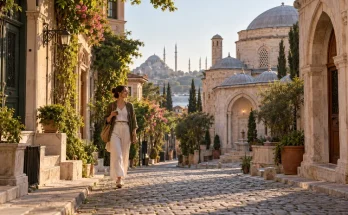
2. Discover Ottoman Heritage Through Slow, Intentional Exploration
Istanbul’s historic peninsula provides an extraordinary introduction to the city’s cultural identity.
Sultanahmet, Süleymaniye, and surrounding neighborhoods contain some of the most recognizable architectural achievements of the Byzantine and Ottoman periods.
But experiencing these landmarks mindfully requires more than following a conventional sightseeing route.
Explore Sultanahmet Without Rushing
Sultanahmet is home to Hagia Sophia, the Blue Mosque, Topkapi Palace, and several important historic structures.
These landmarks attract visitors from around the world, making the district especially busy during popular travel periods.
Instead of attempting to visit everything in one morning, choose one or two significant attractions.
Spend time observing the decorative patterns, architectural proportions, and craftsmanship that make these buildings remarkable.
At Hagia Sophia, for example, consider how the enormous dome and the building’s changing religious functions reflect Istanbul’s complex history.
Understanding a landmark’s story can make the experience more rewarding than simply collecting photographs.
Find Architectural Calm Around Süleymaniye
The Süleymaniye Mosque complex offers another fascinating setting for reflective cultural exploration.
Designed by Mimar Sinan during the reign of Sultan Suleiman the Magnificent, the complex represents one of the great achievements of classical Ottoman architecture.
Its elevated position provides impressive views across the Golden Horn.
Visitors can appreciate the building’s proportions, courtyard details, and surrounding historical environment.
Because Süleymaniye remains an active religious site, appropriate clothing, respectful behavior, and attention to prayer times are essential.
Mindful travel includes recognizing that important cultural landmarks continue to serve local communities.
Try the Five-Minute Observation Method
When visiting a historic attraction, spend five minutes observing the environment before taking photographs.
Notice the building materials, patterns, natural light, and sounds around you.
Consider what makes the place different from other destinations you’ve visited.
This simple exercise encourages deeper attention without requiring formal meditation or complicated wellness techniques.
You may be surprised by how many interesting details become visible when you stop rushing.
3. Combine Art Appreciation With Mindful Reflection
Art museums offer another opportunity to connect cultural learning with intentional relaxation.
Rather than moving quickly between dozens of exhibits, visitors can focus on a smaller selection of artworks and explore their meaning.
Istanbul has several excellent museums where this approach works particularly well.
Pera Museum: Exploring History Through Art
Located in Beyoğlu, Pera Museum showcases collections connected to Ottoman culture, painting, historical objects, and decorative arts.
Its collections include Orientalist paintings, Anatolian weights and measures, and Kütahya tiles and ceramics.
The museum also presents temporary exhibitions that explore different artistic movements and cultural themes.
Instead of attempting to examine every item, select a few works that genuinely capture your interest.
Pay attention to colors, textures, expressions, and historical details.
Think about the artist’s perspective and how the work reflects the cultural environment in which it was created.
Istanbul Modern: Discovering Contemporary Perspectives
Istanbul Modern provides a different cultural experience.
Situated near the Karaköy waterfront, the museum focuses on modern and contemporary artistic production.
Its collection and temporary exhibitions introduce visitors to diverse artistic approaches, including painting, photography, installation, and other visual media.
One interesting technique involves spending several minutes with a single artwork before reading its explanatory label.
Notice your first impressions, then compare them with the information provided.
This encourages curiosity and personal interpretation rather than passive observation.
Art Appreciation as a Relaxing Activity
Looking at art doesn’t need to become an academic exercise.
You don’t have to understand every symbol or artistic movement to enjoy a museum.
Sometimes, simply noticing how a painting makes you feel is enough.
Choose a comfortable visiting pace, take breaks, and avoid pressuring yourself to see everything.
A thoughtful museum visit can create room for reflection while deepening your understanding of Istanbul’s cultural history.
4. Experience Traditional Turkish Hammams as Cultural Wellness Rituals
One of the clearest connections between Istanbul’s heritage and contemporary wellness is the traditional Turkish hammam.
These bathhouses developed into important social institutions during the Ottoman period, serving communities through bathing, conversation, and ceremonial gatherings.
Today, restored hammams allow visitors to experience elements of this tradition in beautifully preserved architectural surroundings.
Understanding the Hammam Experience
A typical Turkish hammam ritual begins with time spent warming the body in a heated bathing chamber.
Guests may relax on a marble platform called a göbek taşı before receiving exfoliation with a traditional kese mitt.
The cleansing process usually continues with generous soap foam and warm-water rinsing.
Some establishments also offer separate aromatherapy massages and additional skincare treatments.
Although modern wellness services have expanded the experience, traditional bathing techniques remain central to its cultural identity.
Kılıç Ali Paşa Hamamı: Wellness Within Ottoman Architecture
Located in the historic Tophane neighborhood, Kılıç Ali Paşa Hamamı offers a particularly memorable setting.
Designed by Mimar Sinan during the 16th century, the building features a monumental dome and carefully restored bathing spaces.
According to the establishment’s official information, the complete visit generally lasts between 1.5 and two hours.
That includes time spent warming the body, receiving the traditional bathing treatment, and relaxing afterward.
Massage services require separate reservations.
Rather than immediately rushing to your next attraction, consider enjoying a quiet drink in the relaxation lounge.
It’s a wonderful way to appreciate the experience without turning it into another scheduled obligation.
Respect Personal Comfort and Traditional Etiquette
Hammams are cultural establishments as well as wellness destinations.
Follow local rules regarding clothing, photography, noise levels, and gender-specific bathing arrangements.
Communicate with attendants if you prefer gentler exfoliation or feel uncomfortable with the heat.
Travelers with cardiovascular concerns, certain medical conditions, heat intolerance, or pregnancy should obtain appropriate medical guidance before participating.
The experience should prioritize personal comfort rather than endurance.
5. Explore Istanbul’s Food Traditions Through Mindful Eating
Food is one of the most enjoyable ways to understand a destination.
Istanbul’s culinary culture reflects influences from Anatolia, the Balkans, the Mediterranean, and different historical communities.
From traditional breakfast spreads to local bakeries and neighborhood restaurants, every meal offers an opportunity for cultural discovery.
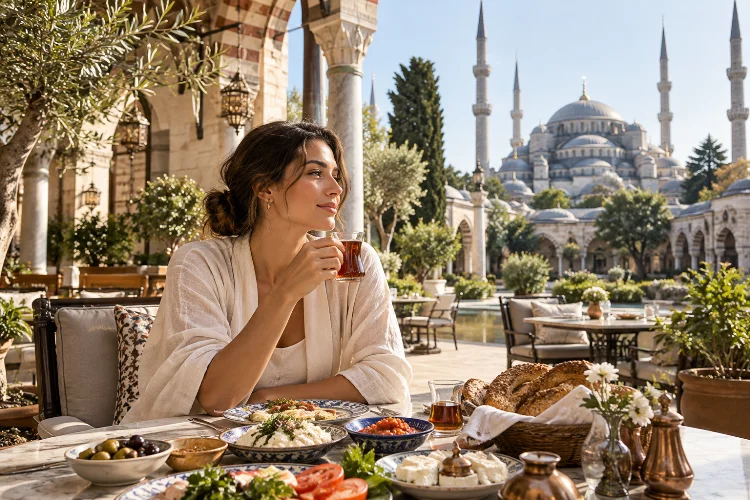
Slow Down With a Traditional Turkish Breakfast
A Turkish breakfast often includes small dishes of cheese, olives, tomatoes, cucumbers, eggs, fresh bread, honey, and preserves.
Turkish tea commonly accompanies the meal.
Rather than treating breakfast as fuel before a busy day, make it part of your cultural itinerary.
Notice the variety of flavors, the textures of different foods, and the social customs surrounding the table.
A leisurely breakfast also provides an opportunity to plan your day without feeling hurried.
Discover Neighborhood Food Culture
Areas such as Kadıköy, Karaköy, and Balat offer opportunities to explore different aspects of Istanbul’s food scene.
Small bakeries, traditional restaurants, and independent cafés provide an alternative to dining exclusively near major tourist attractions.
Try dishes such as menemen, mercimek çorbası, or freshly prepared börek.
You might also sample regional cheeses, seasonal vegetables, and traditional Turkish desserts.
The goal isn’t to eat as much as possible.
It’s to understand how food connects people with family traditions, regional ingredients, and everyday routines.
Practice Sensory Awareness During Meals
Before eating, take a moment to notice the presentation and aroma of your food.
Eat at a comfortable pace and pay attention to its taste and texture.
Put your phone away occasionally so you can enjoy the meal and the surrounding atmosphere.
These small habits can make even a simple lunch feel more memorable.
Mindful eating doesn’t require strict rules or avoiding enjoyable treats.
It’s about appreciating what you’re eating and recognizing your body’s needs.
6. Find Peaceful Cultural Connections in Istanbul’s Green Spaces
Although Istanbul is famous for its architecture and waterfront skyline, its parks and gardens offer another dimension of cultural exploration.
Some green spaces are closely connected to the city’s imperial history, while others provide a welcome contrast to the surrounding urban environment.
Combining outdoor time with historical learning creates a balanced approach to sightseeing.
Gülhane Park: Nature Beside Ottoman Heritage
Located next to Topkapi Palace, Gülhane Park was historically associated with the palace’s outer gardens.
Today, its tree-lined pathways and landscaped areas provide an accessible escape from the surrounding streets.
Visitors can enjoy a peaceful walk while remaining close to Sultanahmet’s major attractions.
The park also contains the Istanbul Museum of the History of Science and Technology in Islam.
Opened in 2008, the museum presents historical scientific instruments, models, and reproductions associated with scientific developments across Islamic civilizations.
This creates an interesting opportunity to combine a green-space visit with a different perspective on cultural history.
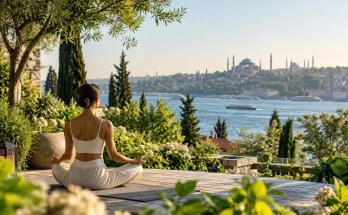
Create Your Own Mindful Walking Routine
You don’t need a guided meditation session to enjoy a mindful walk.
Begin by noticing the rhythm of your footsteps and the sensation of moving through the landscape.
Pay attention to trees, shifting light, birdsong, and the sounds of the surrounding city.
If your attention wanders, gently return it to your immediate environment.
The aim isn’t to eliminate every thought but to become more aware of what you’re experiencing.
Balance Walking With Physical Rest
Istanbul’s hills, stairways, and uneven historic pavements can make sightseeing physically demanding.
Plan comfortable walking routes and schedule breaks when needed.
Wear supportive shoes, carry drinking water, and avoid attempting long walks during uncomfortable weather conditions.
Rest isn’t a failure to explore.
It’s part of creating a sustainable travel pace that allows you to enjoy the destination for several days.
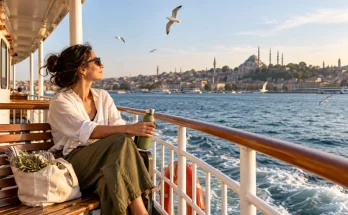
7. Use Bosphorus Ferry Journeys as Moments of Reflection
Few experiences capture Istanbul’s geographical character as beautifully as traveling along the Bosphorus.
The waterway separates the city’s European and Asian sides while connecting the Black Sea with the Sea of Marmara.
Passenger ferries offer practical transportation and memorable views of the waterfront.
They can also provide opportunities for quiet observation between cultural activities.
Experience Istanbul From the Water
A ferry journey changes your perspective on the city.
Instead of walking through narrow streets, you can observe palace facades, historic mosques, waterfront homes, and modern buildings from a distance.
Şehir Hatları, Istanbul’s municipal ferry operator, offers scheduled passenger routes and dedicated Bosphorus sightseeing tours.
Visitors can choose between different tour formats depending on available services.
Check the official timetable before planning your journey because routes and schedules may change seasonally.
Transform Travel Time Into Mindful Time
Rather than spending the entire ferry crossing checking messages, use some of the journey to observe your surroundings.
Watch the changing skyline, listen to the movement of the water, and notice how the city looks from different angles.
You might take a few photographs, then put your phone away.
Allow yourself to enjoy the expereince without constantly documenting it.
The journey becomes more than transportation.
It becomes a chance to appreciate Istanbul’s geography and architectural character.
Discover Two Continents Without Overplanning
Crossing between the European and Asian sides offers a fascinating cultural contrast.
A trip from central Istanbul toward Kadıköy can introduce visitors to a different neighborhood atmosphere.
Explore local streets, visit a café, or spend time near the waterfront before returning.
However, avoid trying to combine several distant districts into one exhausting afternoon.
A short, unhuried visit can be more enjoyable than an ambitious itinerary filled with transportation changes.
8. Build a Balanced Three-Day Cultural Wellness Itinerary
Integrating wellness into a cultural vacation works best when activities follow a realistic daily rhythm.
Instead of scheduling attractions from morning until midnight, organize experiences into smaller geographical areas.
This reduces unnecessary transportation and creates more opportunities for relaxation.
Day One: Ottoman Heritage and Green Spaces
Begin your morning in Sultanahmet with breakfast and a visit to one major historical attraction.
Choose either Hagia Sophia, the Blue Mosque, or Topkapi Palace according to your interests and available visiting arrangements.
Afterward, explore Gülhane Park at a relaxed pace.
Enjoy lunch nearby and allow time to rest before another activity.
If your energy levels are comfortable, spend the late afternoon appreciating the Süleymaniye area.
Finish with a relaxed dinner rather than scheduling additional sightseeing.
Day Two: Contemporary Art and Traditional Bathing
Dedicate your second day to Beyoğlu and the Karaköy waterfront.
Begin with a visit to Pera Museum or Istanbul Modern, depending on which collections interest you most.
Spend time examining selected artworks instead of attempting to rush through an entire exhibition.
After lunch, explore the surrounding neighborhood before attending a pre-booked hammam appointment.
Kılıç Ali Paşa Hamamı provides a convenient cultural wellness option in Tophane.
Leave the evening relatively free so you can rest after your bathing experience.
Day Three: Local Culture and Waterfront Relaxation
Take a ferry toward Kadıköy and enjoy a slower introduction to Istanbul’s Asian side.
Explore neighborhood shops, enjoy a traditional meal, and spend some time walking near the Moda waterfront.
Rather than following an extensive sightseeing checklist, allow yourself to discover places naturally.
Return by ferry when you’re ready.
Use your final evening for a comfortable dinner, journaling, or simply appreciating the city’s atmosphere.
This approach combines historical learning, creative exploration, traditional wellness, and everyday cultural experiences without demanding constant activity.
9. Make Mindful Cultural Travel More Authentic and Responsible
Meaningful travel isn’t only about personal wellbeing.
It’s also about understanding how tourism affects local communities and treating cultural traditions with consideration.
Istanbul’s diversity makes respectful engagement particularly important.
Support Local Communities
Choose locally operated cafés, independent shops, and traditional artisans when practical.
Learn a few simple Turkish expressions and use them during everyday interactions.
Ask permission before photographing people, especially inside working neighborhoods or during personal cultural activities.
These small gestures demonstrate respect for the communities that make Istanbul such an interesting destination.
Avoid Turning Every Experience Into Content
It’s tempting to photograph every historic street, restaurant, and beautiful interior.
However, constant documentation can sometimes distract from the experience itself.
Consider taking a few photographs, then spending time observing the environment without your phone.
This creates room for genuine curiosity and spontanous discoveries.
You may return home with fewer images but a stronger connection to what you’ve seen.
Preserve Space for Quiet Reflection
At the end of each day, take a few minutes to consider which experiences felt most meaningful.
Perhaps you enjoyed learning about Ottoman architecture or discovering a painting that challenged your perspective.
Maybe a conversation with a local shopkeeper was more memorable than a famous attraction.
Writing down these observations can help you remember the journey beyond its photographs.
There’s no perfect formula for mindful cultural travel.
The most important thing is creating a rhythm that feels both stimulating and comfortable.
Integrating cultural exploration with mindful wellness in Istanbul offers a refreshing way to experience one of the world’s most historically fascinating cities.
Instead of separating sightseeing from relaxation, travelers can combine Ottoman architecture, inspiring art museums, traditional hammams, local cuisine, peaceful parks, and Bosphorus journeys into one balanced adventure.
The key is exploring with curiosity while allowing enough time for rest, reflection, and personal enjoyment.
Whether you’re wandering through Gülhane Park, appreciating an artwork at Pera Museum, or experiencing traditional Turkish bathing, every activity can become more meaningful when approached with intention.
Ready to discover a different side of Istanbul? Start planning a culturally rich wellness journey that values experiences over schedules.
With thoughtful choices and a comfortable pace, you can return home with wonderful memories, greater cultural understanding, and a renewed appreciation for slowing down.