Istanbul is a city that rarely slows down. Ferries move constantly across the Bosphorus, historic markets buzz with conversations, and thousands of visitors rush between famous landmarks every day.
But what if you experienced Istanbul differently?
Instead of squeezing ten attractions into one afternoon, imagine starting your morning with Turkish tea, wandering through peaceful neighborhood streets, and ending the day with a traditional hammam ritual.
That’s the beauty of slow travel.
Designing slow travel experiences around Istanbul’s wellness culture means discovering the city’s quieter rhythms while embracing centuries-old traditions of relaxation, hospitality, and personal well-being.
Istanbul offers an amazing setting for this approach. Its historic bathhouses, waterfront promenades, local cafés, green spaces, and neighborhood markets encourage travelers to explore without constantly watching the clock.
More importantly, slow travel isn’t simply about moving at a slower pace. It’s about creating meaningful connections with places, people, and cultural traditions.
Whether you’re planning a weekend escape or an extended holiday, this guide will help you combine Istanbul’s wellness heritage with thoughtful travel experiences that feel refreshing, authentic, and genuinely memorable.
1. Understanding Slow Travel Through Istanbul’s Wellness Culture
Slow travel is a travel philosophy that prioritizes meaningful experiences over packed schedules.
Instead of measuring a successful holiday by how many landmarks you’ve visited, it focuses on the quality of your time and connection with a destination.
In Istanbul, this approach makes perfect sense because the city’s cultural identity is closely connected to traditions of hospitality, social gathering, and relaxation.
Why Slower Travel Feels Different
Traditional sightseeing often encourages visitors to move quickly between major attractions.
A typical itinerary might include Hagia Sophia, the Blue Mosque, Topkapı Palace, the Grand Bazaar, and a Bosphorus cruise in a single day.
Although technically possible, this schedule can leave travelers physically exhausted and mentally overwhelmed.
Slow travel takes a different approach.
You might spend an entire morning exploring one neighborhood, stop for an extended breakfast, and leave the afternoon open for an unexpected discovery.
This flexibility allows visitors to notice details that hurried sightseeing often overlooks.
How Wellness Fits Into the Experience
Wellness-oriented travel doesn’t necessarily require expensive spas or complicated treatments.
Simple activities such as walking through a quiet park, enjoying a traditional meal, or taking an unhurried ferry journey can support relaxation.
Istanbul’s historic hammams add another dimension by introducing visitors to an established culture of bathing and personal care.
The goal isn’t to transform every activity into a wellness treatment.
Instead, it’s about creating a comfortable balance between cultural discovery, physical activity, rest, and enjoyable everyday experiences.
2. Making Traditional Hammams the Heart of Your Wellness Journey
The Turkish hammam is probably Istanbul’s most recognizable wellness tradition.
For centuries, these bathhouses served as places for cleansing, social interaction, and relaxation.
Today, they offer travelers an opportunity to experience Ottoman bathing customs while stepping away from the city’s busy atmosphere.
Understanding the Traditional Hammam Ritual
A typical Turkish bath experience begins in a warm bathing environment.
Visitors gradually adjust to the temperature before receiving an exfoliating treatment using a textured mitt called a kese.
This is often followed by a foam wash and rinsing with warm water.
Some establishments also offer massages, skincare treatments, or additional relaxation time.
The experience is particularly compatible with slow travel because it encourages guests to focus on physical sensations rather than rushing between activities.
However, treatment sequences and durations vary, so it’s worth checking the details before booking.
Discovering Historic Bathhouses
One fascinating option is Kılıç Ali Paşa Hamamı in Tophane.
Designed by Ottoman architect Mimar Sinan and constructed between 1578 and 1580, this historic bathhouse originally served people working around Istanbul’s waterfront.
Its magnificent dome and restored architecture provide a remarkable setting for traditional bathing.
The establishment operates separate bathing periods for women and men, making advance planning important.
Another notable option is Hürrem Sultan Hammam in Sultanahmet.
Built in 1556–1557, it was commissioned by Hürrem Sultan, wife of Sultan Süleyman the Magnificent.
The building combines significant Ottoman architectural heritage with contemporary hammam services.
For slow travelers, either bathhouse can become the main experience of an afternoon rather than another quick stop on a crowded itinerary.
Planning Your Hammam Visit Thoughtfully
Avoid scheduling an intense sightseeing session immediately after your bathing treatment.
Instead, leave time to rest, enjoy a drink, or have a relaxed meal nearby.
If you’re sensitive to heat or vigorous exfoliation, discuss your preferences with the attendant beforehand.
Travelers with relevant medical conditions should also check whether heat exposure and particular treatments are suitable.
A good hammam experience should prioritize comfort, cultural appreciation, and relaxation rather than exaggerated claims about detoxification or dramatic health improvements.
3. Exploring Istanbul’s Quieter Neighborhoods at Your Own Pace
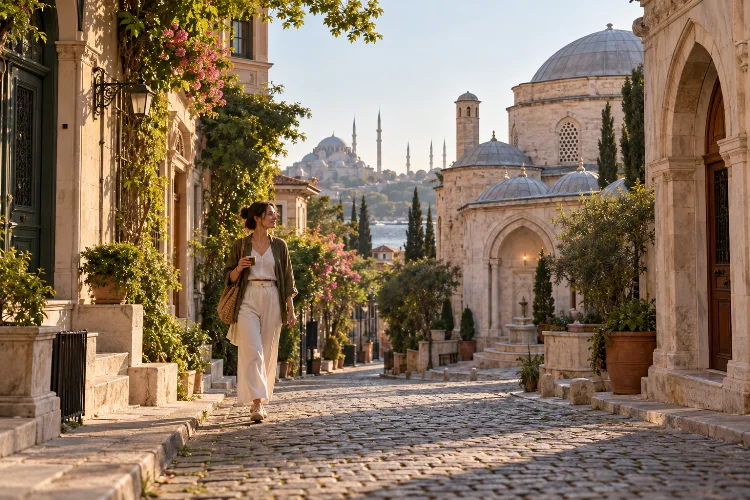
One of the best ways to experience Istanbul slowly is to move beyond its most famous tourist attractions.
Residential neighborhoods reveal everyday routines, local architecture, independent businesses, and community traditions.
These experiences can make a trip feel much more personal.
Kuzguncuk: A Peaceful Village-Like Atmosphere
Located on Istanbul’s Asian side, Kuzguncuk is known for its colorful wooden houses, historic religious buildings, cafés, and charming streets.
The neighborhood has a multicultural history shaped by Jewish, Greek, Armenian, and Muslim communities.
Its relatively compact layout makes it suitable for unhurried walks.
Rather than following a strict sightseeing route, wander through the side streets and enjoy the architectural details.
Kuzguncuk Bostanı, a neighborhood garden, offers another opportunity to appreciate local green space and community life.
The area is generally quieter on weekdays, although popular streets can become busy during weekends.
For visitors seeking a relaxing neigborhood experience, Kuzguncuk offers an appealing contrast to central Istanbul.
Kadıköy: Local Markets and Everyday Culture
Kadıköy provides another interesting perspective on Istanbul.
Located on the Asian shore, the district is known for its food markets, bookshops, independent cafés, and creative atmosphere.
Its streets are lively rather than completely peaceful, but they reward travelers who enjoy exploring without a fixed schedule.
Start with a leisurely walk through Kadıköy Çarşı, where produce sellers, bakeries, and specialty food shops create an engaging local environment.
Spend time browsing, tasting traditional snacks, or enjoying a proper sit-down lunch.
Afterward, continue toward the Moda area for a slower coastal atmosphere.
You don’t need to visit every shop or restaurant to appreciate the neighborhood.
Sometimes, simply observing everyday life is the most memorable part of the journey.
Balat: Discovering Istanbul’s Cultural Layers
Balat, on the Golden Horn, offers a different type of slow exploration.
Its narrow streets, colorful houses, historic religious buildings, and small cafés reflect the area’s diverse cultural history.
Rather than treating the neighborhood as one enormous photography location, take time to understand its living community.
Explore respectfully, support independent businesses, and remember that many attractive buildings are private homes.
Some streets are steep, so comfortable walking shoes are essential.
An unhurried visit encourages a deeper appreciation of the area’s architecture and history without turning local life into a tourist spectacle.
4. Using Bosphorus Ferries as a Form of Slow Travel
Few activities capture Istanbul’s character better than traveling across the water.
The Bosphorus separates the city’s European and Asian sides, but its ferries also connect neighborhoods, communities, and everyday routines.
For slow travelers, the journey itself can become an important part of the experience.
Why Public Ferries Are Worth Experiencing
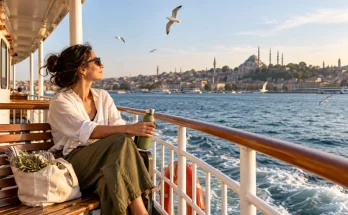
Public ferry journeys offer beautiful views of Istanbul’s waterfront architecture.
Depending on the route, passengers may see historic mosques, elegant mansions, waterfront neighborhoods, and the city’s distinctive skyline.
Unlike a rushed taxi transfer, a ferry allows visitors to sit comfortably and appreciate the surroundings.
You might notice commuters reading, friends chatting over tea, or families enjoying the view.
These ordinary moments reveal a side of Istanbul that’s easy to miss when traveling exclusively between tourist attractions.
Choosing the Right Ferry Experience
Şehir Hatları, Istanbul’s established public ferry operator, runs numerous routes connecting locations across the city.
Its network includes services linking Kadıköy with Karaköy and Eminönü, as well as connections involving Üsküdar, Beşiktaş, and other waterfront districts.
The operator also provides dedicated Bosphorus sightseeing tours.
A regular commuter ferry can be ideal for travelers who want an inexpensive, practical journey between neighborhoods.
A sightseeing cruise offers a different experience, emphasizing the landscape and waterfront landmarks.
Before departing, check the official timetable because schedules and services may change seasonally.
Turning Transportation Into Mindful Exploration
Try planning an afternoon around one ferry journey rather than several complicated transfers.
For example, begin on the European side, cross to Kadıköy, enjoy a leisurely meal, and spend time exploring nearby streets.
Alternatively, travel toward Üsküdar and continue exploring the Asian waterfront.
The purpose isn’t to cover the greatest distance.
It’s to experience the changing scenery while allowing transportation to become part of the holiday rather than a stressful necessity.
5. Connecting Local Food Traditions With Everyday Wellness
Istanbul’s food culture offers countless opportunities for slower, more meaningful travel.
Traditional breakfasts, seasonal ingredients, neighborhood bakeries, and tea-drinking customs can all become part of a balanced travel experience.
The key is appreciating local food without turning every meal into another scheduled attraction.
Starting the Day With Turkish Breakfast
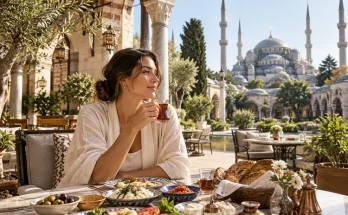
A traditional Turkish breakfast, or kahvaltı, often includes bread, cheese, olives, tomatoes, cucumbers, eggs, preserves, and tea.
Menus vary by establishment and region, but the experience generally encourages sharing and conversation.
Instead of grabbing something quickly before sightseeing, allow enough time to enjoy the meal.
Choose a café where you can sit comfortably and observe the surrounding neighborhood.
A leisurely breakfast can establish a relaxed rhythm for the rest of the day.
However, the largest breakfast spread isn’t always the most satisfying choice.
Order according to your appetite and avoid unnecessary food waste.
Exploring Markets and Seasonal Ingredients
Food markets provide opportunities to learn about Istanbul beyond its restaurant scene.
In Kadıköy, traditional vendors sell produce, olives, cheeses, spices, and other ingredients used in everyday Turkish cooking.
Browsing these markets helps travelers understand local eating habits and seasonal preferences.
Consider purchasing fruit, enjoying a freshly baked pastry, or trying a regional specialty.
The experience becomes more meaningful when you approach vendors respectfully and remain curious about unfamiliar ingredients.
Supporting smaller local businesses can also direct some travel spending toward the communities you’re exploring.
Enjoying Tea as a Daily Ritual
Turkish tea is deeply connected to everyday social life.
It’s commonly served in small, tulip-shaped glasses and enjoyed throughout the day.
For visitors, stopping for tea can become a simple ritual that encourages rest.
Find a café with a pleasant view, put your phone away, and enjoy a conversation or a few quiet moments.
You don’t need a sophisticated wellness program to appreciate the benefits of taking a comfortable break.
Sometimes, the most valuable travel memories come from ordinary experiences rather than expensive attractions.
6. Finding Natural Spaces for Relaxation and Reflection
Although Istanbul is a large and energetic metropolis, it offers several opportunities to spend time outdoors.
Parks, waterfront promenades, and nearby islands provide attractive alternatives to intensive sightseeing.
Including these environments in your itinerary can create a healthier balance between busy urban spaces and quieter activities.
Gülhane Park: A Green Escape in the Historic Center
Gülhane Park is particularly convenient for visitors staying near Sultanahmet.
Once part of the outer gardens of Topkapı Palace, it now provides public green space close to major historical attractions.
Its shaded paths, mature trees, and landscaped areas make it suitable for a relaxed walk.
During spring, tulip displays add seasonal color.
Instead of visiting the park as a quick photo stop, spend some time walking through its quieter areas.
You could combine a morning in Gülhane with an afternoon hammam session or a leisurely lunch.
The Princes’ Islands: A Slower Coastal Experience
For travelers with more time, the Princes’ Islands offer an appealing day-trip option.
Located in the Sea of Marmara, the islands are known for historic houses, coastal scenery, and a quieter environment with limited motorized traffic.
Büyükada is the largest and one of the most popular islands.
Visitors can explore on foot, enjoy waterfront meals, and admire traditional architecture.
However, popular areas can become crowded during weekends and summer holidays.
If your schedule allows, consider visiting on a weekday and leaving enough time for the return ferry.
The islands deserve at least half a day, and a full day is often more appropriate for genuinely relaxed exploration.
Why Nature Matters in a City-Focused Retreat
A wellness itinerary doesn’t need to exclude busy places.
Markets, museums, and historical neighborhoods are important parts of experiencing Istanbul.
However, alternating these activities with quieter outdoor environments may help prevent travel fatigue.
A simple park walk or waterfront break gives you time to process everything you’ve experienced.
This balance often makes the overall journey feel more enjoyable and less demanding.
7. Designing a Three-Day Slow Wellness Itinerary in Istanbul
A successful slow travel itinerary needs structure without becoming overly restrictive.
Three days can provide a useful introduction to Istanbul’s wellness heritage, although longer visits allow for more spontaneity.
The following sample itinerary is designed around one primary area or experience per day.
Day One: Historic Istanbul and Ottoman Bathing
Begin with a leisurely breakfast near Sultanahmet.
Spend the morning appreciating the area’s historic atmosphere without attempting to visit every major monument.
Choose one main cultural attraction, then continue toward Gülhane Park for a peaceful walk.
After lunch, enjoy a prebooked hammam experience at Hürrem Sultan Hammam.
Keep the remainder of the afternoon relatively open.
A relaxed dinner and an early evening provide a comfortable conclusion to the day.
Day Two: Tophane, Karaköy, and Waterfront Relaxation
Start the second morning with breakfast in Karaköy.
Explore the neighborhood’s streets, independent cafés, and waterfront surroundings.
If you’re interested in Turkish bath culture, schedule a treatment at Kılıç Ali Paşa Hamamı during its applicable admission period.
Be sure to check the gender-specific schedule before arranging other activities.
After your treatment, enjoy a leisurely meal and spend the evening near the water.
Avoid adding distant attractions simply because there’s an empty space in your itenerary.
The goal is to finish the day feeling satisfied rather than exhausted.
Day Three: Asian-Side Neighborhood Exploration
Take a morning ferry across the Bosphorus.
Spend time exploring Kadıköy’s food market, independent shops, and cafés.
Enjoy a relaxed lunch before choosing an afternoon activity.
You might continue toward Moda for waterfront walking or set aside the afternoon for Kuzguncuk and its quiet streets.
These neighborhoods are in different parts of the Asian side, so choosing just one creates a more comfortable schedule.
End the day with a casual dinner or return ferry journey.
If you have a fourth day, consider visiting Büyükada rather than squeezing an island excursion into this already enjoyable itinerary.
8. Creating a Responsible and Comfortable Wellness Experience
Slow travel isn’t only about personal relaxation.
It can also encourage more thoughtful choices regarding transportation, local communities, and the environmental impact of tourism.
A well-designed trip should be enjoyable for visitors without unnecessarily disrupting the neighborhoods they explore.
Choosing Accommodation Strategically
Your accommodation location can significantly influence how relaxed your trip feels.
Staying near convenient public transportation reduces the need for complicated transfers.
Sultanahmet is practical for historical sightseeing and traditional hammams.
Karaköy provides access to waterfront transport, cafés, and cultural attractions.
Kadıköy may appeal to travelers interested in everyday neighborhood life and the Asian side.
Choose accommodation based on your priorities rather than assuming the most luxurious property will automatically provide the best experience.
Supporting Local Communities
Consider spending some of your travel budget at independent cafés, traditional bakeries, and neighborhood businesses.
Respect residential spaces and avoid photographing people without permission.
When visiting historic bathhouses, follow established etiquette and staff instructions.
These small decisions contribute to a more respectful tourism experience.
They also help preserve the character that makes Istanbul’s neighborhoods attractive in the first place.
Budgeting Without Sacrificing Comfort
Slow travel doesn’t have to be expensive.
Public ferries, local meals, parks, and neighborhood walks can provide memorable experiences at relatively modest costs.
Traditional hammam treatments may represent a larger expense, so compare available packages before booking.
Check whether prices include exfoliation, foam washing, massages, towels, and access to additional facilities.
Rather than paying for several premium treatments, consider selecting one meaningful experience and building the rest of your trip around affordable cultural activities.
Leaving Space for Unexpected Discoveries
Perhaps the most important principle is avoiding unnecessary pressure.
You don’t need to wake up early every day, follow a strict schedule, or visit every destination mentioned in a travel guide.
Allow time for unexpected conversations, spontaneous café stops, or an afternoon of complete tranqulity.
Weather, ferry schedules, energy levels, and personal interests can all influence your plans.
Treat your itinerary as a flexible guide rather than a checklist.
When you give yourself permission to explore slowly, Istanbul often reveals details that are impossible to appreciate while rushing.
Designing slow travel experiences around Istanbul’s wellness culture offers a refreshing alternative to conventional sightseeing.
By combining traditional hammams, peaceful neighborhoods, Bosphorus ferry journeys, local food traditions, and natural spaces, travelers can create a more balanced and meaningful connection with the city.
The beauty of this approach lies in its flexibility.
You don’t need expensive wellness packages or complicated schedules to enjoy a restorative escape. Sometimes, a quiet walk, a shared breakfast, or an afternoon Turkish bath can become the highlight of an entire holiday.
Istanbul rewards travelers who appreciate its everyday rhythms as much as its famous landmarks.
Ready to experience Istanbul differently? Start planning your own slow wellness journey, choose a few meaningful activities, and leave plenty of room to discover the city at your own pace.